Related SDGs
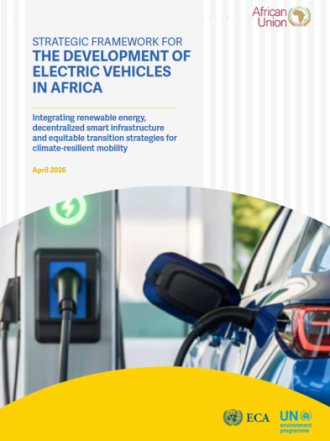
The purpose of the present document is to provide guidelines for formulating policies, strategies and regulatory frameworks for the development of electric vehicles in Africa. The global transition to electric mobility presents an opportunity for Africa to leap di rectly to a sustainable and equitable transport system and a competitive electric vehicle industry. Harnessing this opportunity requires policy coherence and integration across the continent. The continent has abundant renewable energy potential and available critical minerals, a growing population and increased urbanization, and an urgent need to mitigate climate and pollution-related risks, so it is uniquely positioned to adopt electric mobility as a lever for inclusive economic transformation, energy security and environmental sustainability. While they account for only 3.8% of global carbon dioxide emissions, African countries face acute climate vulnerabilities. Moreover, many African cities face increased urban air pollution, primarily due to poor fuel quality and the rapidly growing demand for transport, which often involves the use of dilapidated and outdated vehicles.
Recent Publications