
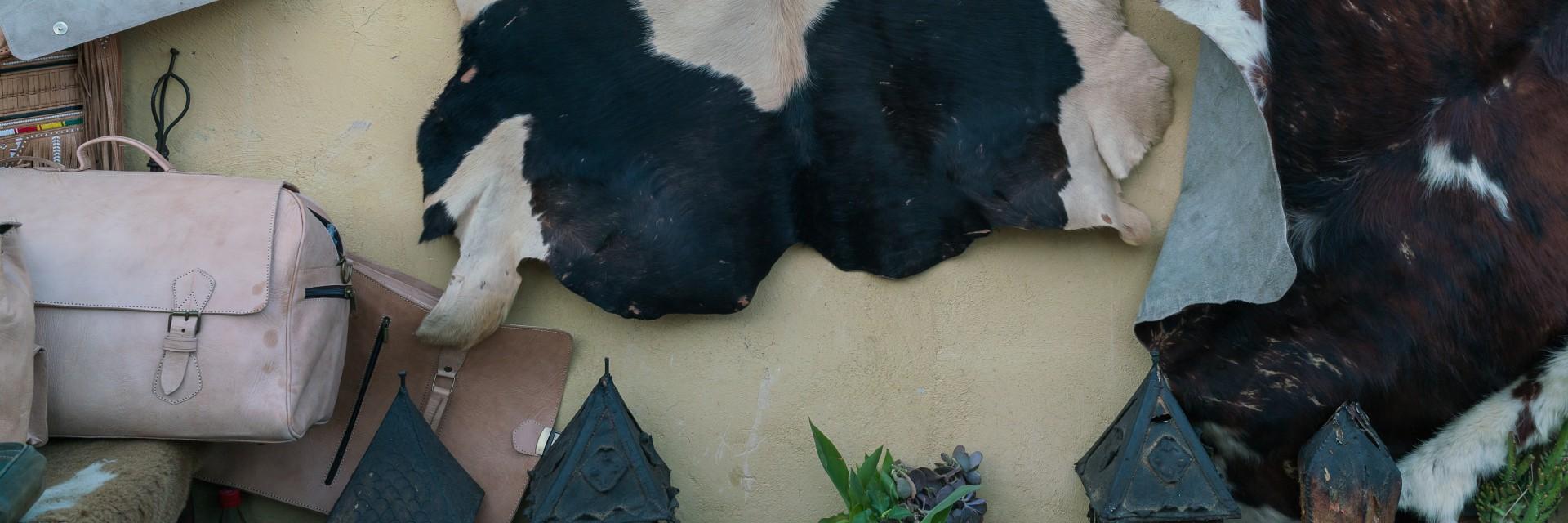
Ezulwini, Eswatini, 7 October 2026 (ECA) – The United Nations Economic Commission for Africa (UNECA), in partnership with the Africa Leather and Leather Products Institute (ALLPI) and the Government of the Kingdom of Eswatini, held a two-day workshop on 6–7 October 2026 to validate the Eswatini Leather Joint Procurement Framework aimed at galvanising the country's leather sector.
Hosted at ECODEC in Ezulwini, the workshop brought together participants from government, UNECA, ALLPI, the International Trade Centre (ITC), the Eswatini Leather Cooperative and development partners.
Speaking on behalf of the Principal Secretary, Ambassador Melusi Masuku, of the Ministry of Commerce, Industry and Trade, Under Secretary Mr Phesheya Dube highlighted that Eswatini can produce approximately 220,000–250,000 hides and skins annually. However, the majority are exported in raw or wet-salted form, limiting value addition within the country . According to the Leather Value Chain Strategy, processing these hides and skins into finished leather products could increase their value from approximately E78.7 million at the raw stage to about E943.8 million, underscoring the significant economic potential of developing a domestic leather industry.
Mr Dube noted that efforts to capture this value are constrained by the absence of a commercial tannery and footwear leather-goods sector that remains heavily dependent on imports. He further observed that local manufactirers rely substantially on imported leather and other inputs, increasing operating costs and undermining the competitiveness of Micro, Small and Medium Enterprises (MSMEs) in the domestic and regional markets.
"Procurement alone will not transform the sector," he said. "Continued attention is needed on tanning capacity, skills, machinery, product design, standards, finance and market access. The longer-term objective is to move from exporting raw hides and skins to processing and manufacturing finished leather products, retaining more value in Eswatini and creating opportunities for MSMEs and employment."
Speaking on behalf of Ms. Eunice Kamwendo, Director of the ECA Sub Regional Office for Southern Africa, Ms. Zodwa Mabuza, Regional Advisor on Trade and Regional Integration, highlighted that Africa’s leather market was valued at approximately US$3.9 billion in 2024, yet the continent continues to import substantial volumes of finished leather products that could be manufactured locally. She emphasized that the leather industry presents a strategic opportunity to advance regional integration under the African Continental Free Trade Area (AfCFTA) while creating productive and inclusive employment opportunities for young people. Noting that youth unemployment among 15 to 24-year-olds in Eswatini exceeds 50 percent, she stressed the importance of developing competitive regional value chains. Ms. Mabuza further observed that, if successfully implemented, Eswatini’s leather value chain development model could serve as a scalable blueprint for other countries across Southern Africa.
ALLPI Executive Director Mr Nicholas Mudungwe pointed to shortages of inputs and leather accessories, and a lack of finance as key constraints, and called for collaboration and a shared vision. Citing the Bata Company's growth from modest beginnings to operations in some 90 countries, he urged Eswatini's SMEs to think bigger and stressed that industrial policy must keep pace with changing realities.
Following the keynote addresses, participants received presentations on the Eswatini leather value chain context and constraints, and discussed input prices, stock-outs, supplier minimum-order quantities and lead times. An overview of the joint procurement and revolving raw-material facility model was also presented.
The afternoon session was moderated by Ms Olayinka Bandele, Economist and Chief of the Industrialisation Section at ECA. Ms Dlamini, ECA Consultant, presented the survey findings, and ALLPI presented the material requirements and cost structure for selected leather products.
Day 2 was dedicated to reviewing and improving the draft Framework through group discussions on material needs, supply and demand, sourcing and storage, repayment and possible risks. Each group developed practical recommendations, which were shared with all participants and will be used to finalise the Framework and its implementation plan.
There was consensus among members of the Eswatini Leather Manufacturers Association that the Framework targets two persistent constraints facing leather enterprises: access to production materials and access to finance. By consolidating the requirements of leather artisans and MSMEs, collective procurement is expected to create economies of scale, strengthen bargaining power, provide more reliable access to quality inputs, and reduce transaction and transport costs.
The Framework also lays the foundation for a revolving fund to improve access to working capital. Speakers stressed that the fund's success will depend on effective governance, which is critical to transparency, accountability, sustainability and stakeholder confidence.
In closing, UNECA encouraged stakeholders to provide practical and constructive input so that the Framework is transparent, commercially viable and responsive to the needs of Eswatini's leather enterprises. UNECA further called on development partners, financial institutions, and the private sector to strengthen their support for the sector through targeted investments, skills development initiatives, enhanced market linkages, innovative financing mechanisms, and institutional capacity-building. Such support, UNECA noted, will be critical to unlocking the full potential of Eswatini’s leather value chain and fostering sustainable industrial development.
The Ministry thanked UNECA for its support in developing the Framework, and ALLPI for its technical contribution to value addition, skills development, product development and standards.
The shared vision is to transform hides into products, products into enterprises, enterprises into jobs, and jobs into shared prosperity.
Issued by:
The Sub-Regional Office for Southern Africa
UN Economic Commission for Africa (ECA)
P.O. Box 30647, Lusaka, Zambia.
Contact for more information
Lavender Degre
Communication Officer
Contact: Lavender.degre@un.org
Tel: (260)966797779